Two hundred words. That’s the cognitive capacity that some dogs reach, according to researchers. Yet, in the reality of living rooms and parks, most only remember those that announce a biscuit or a pet. When household rules contradict each other, even breeds known for their intelligence stumble over changing commands.
Relying solely on punishment leads directly to behaviors rooted in distrust. Conversely, adopting a benevolent attitude reduces anxiety and encourages cooperation. It’s better to target the root cause of the problem, as each difficulty arises from a specific context, and adjust habits accordingly.
The dog, a companion to understand for better coexistence
Dogs express themselves through a thousand micro-gestures: a twitch of the ear, a lowered tail, a sidelong glance. Knowing how to decipher these signals changes everything. Sometimes, a turned head or a low posture means “I doubt,” “I don’t feel comfortable,” or simply “ reassure me.” Opening our eyes to this silent language helps avoid many tensions and preserves harmony.
The organization of territory also carries weight: a sacred basket, restricted or allowed access, daily rumba between the garden and the living room… When landmarks become blurred, the animal develops stress or suspicion. Conversely, clarifying spaces and offering safe havens reduces tensions. In the presence of children or other dogs, the adult must ensure calm encounters, without pushing or constraints.
To keep basic needs in mind, here’s what to guarantee for your dog:
- Daily walks to release energy and explore their environment.
- A muzzle introduced gradually to alleviate fear during care or travel.
- A dynamic environment, punctuated with opportunities for discovery to avoid boredom and frustration.
Balance also relies on educational consistency. Rules must remain coherent; otherwise, the animal gets lost and sometimes reluctantly adopts mismatched behaviors. Everyone learns from each other, day after day. To delve deeper into the subject, resources are to be discovered on Animal Liberation.
Positive education: what methods for a thriving dog?
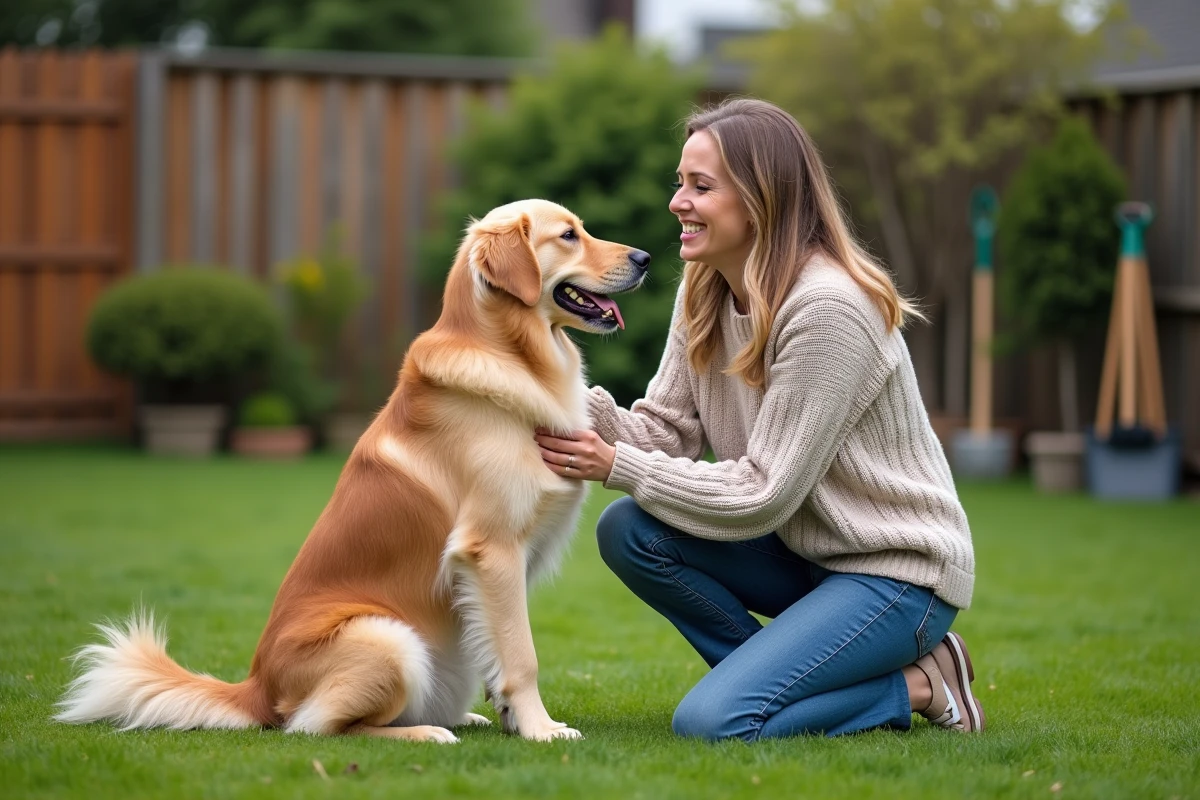
The positive approach disrupts traditional dog training. Governing through fear or harsh shouting builds a wall of misunderstanding. In contrast, playing, encouraging, and rewarding form a winning trio. The puppy then associates the good action with a treat, a warm voice, or a pet. Used at the right moment, a clicker clearly marks the desired action, speeding up the animal’s progress.
To progress, household members must apply the same rules without wavering. Let’s establish these structuring habits from the start:
- Simple commands like “sit,” “down,” or recall, essential for daily safety.
- House training, achieved through patience and frequent outings, not through harsh reprimands.
- Play, a true engine of learning that channels excess energy and strengthens bonds, especially in the early years.
It’s beneficial to multiply experiences from a young age. Taking the puppy to the city, introducing them to other animals, different noises, places, and people: all this reinforces their emotional stability. Barking or whining should not be minimized; they are clear expressions of discomfort or need. Attentive support limits clumsiness and problematic behaviors, provided one adjusts their posture and observes rather than imposes.
Practical tips and resources for daily progress with your dog
Observe, understand, adapt: daily gestures
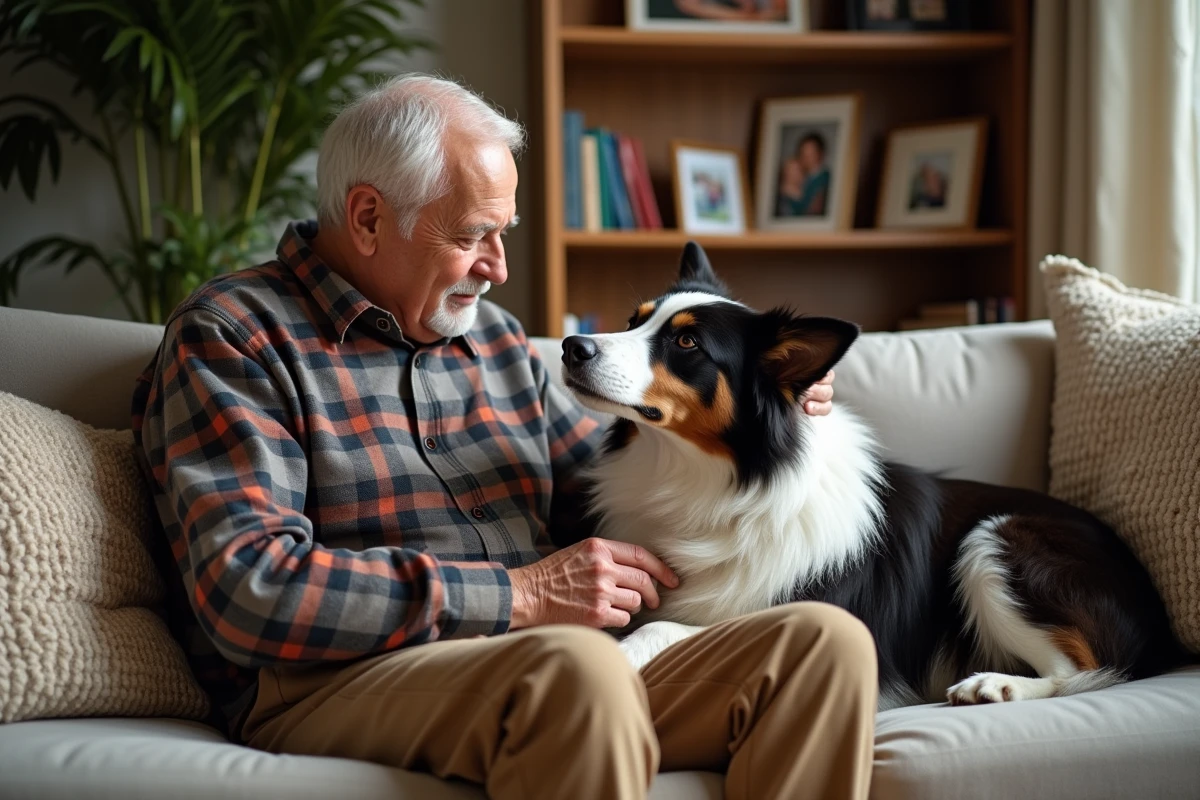
Vigilance is part of daily life when sharing it with a dog. Their posture says a lot: ears back, unusual gait, tail tucked are all alerts to anticipate or prevent difficulties. Structuring landmarks, establishing routines, balancing relaxation and activities maintains their safety. The basket remains a neutral space where the animal should be able to isolate itself without the issue of dominance.
Here are some concrete keys to implement:
- Regularly change walking routes and vary play and rest periods.
- Monitor interactions with children and other dogs to ensure everything goes smoothly.
- Gradually familiarize the dog with the muzzle when a situation requires it, so it is never associated with anxiety.
Professionals: guidelines to prevent and support difficulties
If a behavioral change occurs, consulting a veterinarian or a behavior specialist can truly make a difference. They know how to decode signals and propose tailored solutions for each animal. Preparing for transitions, new homes, the arrival of a baby, or prolonged absence also involves seeking reliable advice. Taking the time to learn with and about your dog throughout their life helps avoid many troubles.
Ultimately, nothing replaces attention and consistency. Observing, understanding, adapting: three simple reflexes to forge a lasting bond. Dog and human grow together, and with each walk, their complicity writes the next chapter of the story.