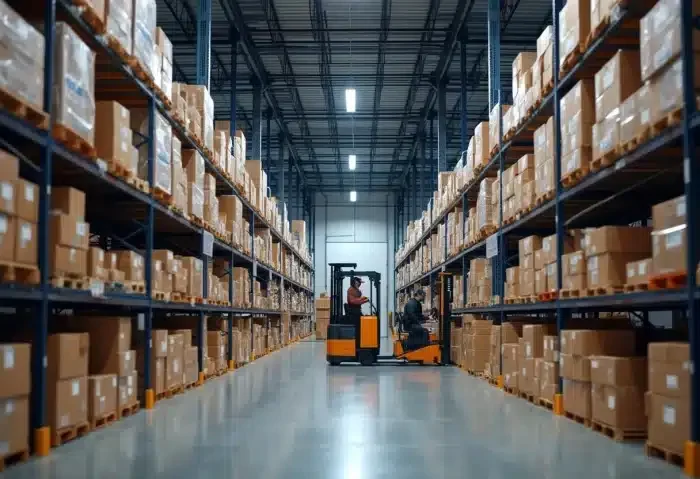
In 2022, the transport and logistics sector was marked by several emblematic figures who successfully navigated the challenges posed by the pandemic and supply chain disruptions. Companies like DHL and FedEx doubled their efforts to optimize their global networks while adopting innovative technologies to improve efficiency and sustainability.
Start-ups like Convoy and Flexport also made headlines by offering digital solutions for more agile management of goods flows. The role of these players has been fundamental in maintaining the fluidity of international trade and responding to the growing needs of consumers.
The main players in transport and logistics in 2022
The transport and logistics sector, representing 10% of the national GDP in 2021 and employing 2.13 million people, saw key players emerge in 2022. These figures managed to combine innovation and resilience to meet contemporary economic and environmental challenges.
La Poste established itself as a pillar of the mail and parcel market. Employing 10,000 postal workers in Île-de-France and recruiting 550 postal workers each year, its role is fundamental for urban distribution. The diversification of its services and the integration of digital solutions have allowed it to maintain its dominant position.
- Air transport, although severely impacted by Covid-19, has managed to bounce back. After cutting about 8,300 jobs in 2020, the sector hired nearly 5,000 employees between 2021 and 2022, now employing just under 90,000 workers in France.
- Maritime and river transport, representing 5% of jobs in the sector, remains essential. With over 100,000 people employed, this branch, including sailors and officers of the merchant navy, remains a vital link in international exchanges.
In terms of land transport, the Union TLF and the International Road Transport Union (IRU) conducted in-depth studies to optimize the logistics chain. The shortage of truck drivers is worsening, with over 50,000 vacancies expected by 2024. This challenge, coupled with an average annual fuel cost increase of 6.6%, requires urgent solutions.
The Ministry of Ecological Transition and the Ministry of Labor, in partnership with OPCO Mobilités, have intensified their efforts to support this strategic sector. Transporteur Other, among many companies, stands out for its innovations in freight management, contributing to the fluidity of exchanges.
The transport and logistics sector, primarily located in France, includes a diversity of professions and branches. From quality, health and safety at work, environment (QHSE) to pure logistics, each component plays a fundamental role in maintaining a robust and resilient economy.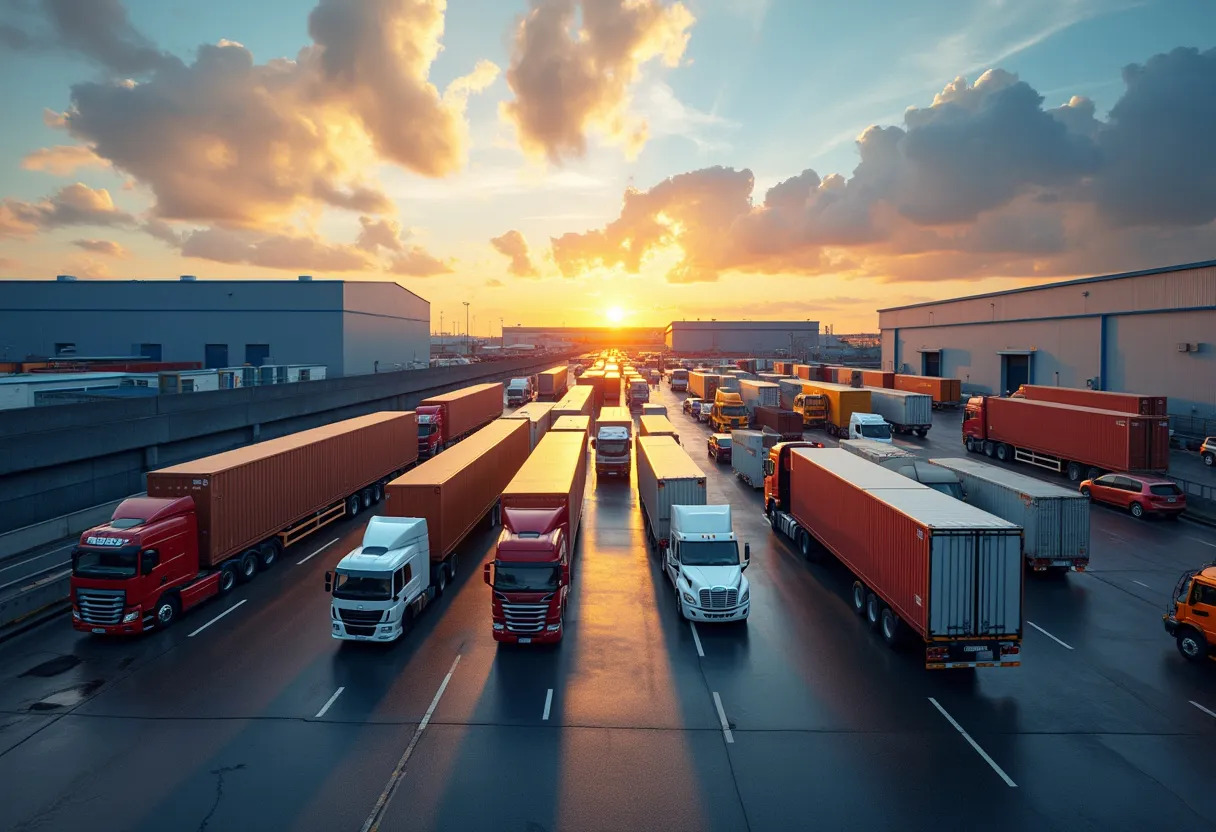
Trends and challenges in the sector in 2022
The transport and logistics sector faces major structural and cyclical challenges in 2022. These challenges are exacerbated by rising costs and labor shortages.
Road transport and driver shortages
Road transport, representing 88% of the total volume of land transport in 2020, is particularly affected. The rise in fuel costs, averaging 6.6% annually, heavily impacts companies’ margins. More than 50,000 truck driver positions will be vacant by 2024, a critical situation considering that 30% of road professionals will retire by 2026.
Challenges in air and maritime transport
Air transport, having experienced an unprecedented crisis with Covid-19, is striving to recover. After the elimination of 8,300 jobs in 2020, nearly 5,000 employees were hired between 2021 and 2022. The sector still faces many obstacles to regain its former dynamism.
Maritime and river transport, although representing only 5% of jobs in the sector, remains indispensable. It employs over 100,000 people, including officers of the merchant navy and sailors in river navigation. This segment must adapt to new environmental requirements and fluctuations in international trade exchanges.
Logistics and innovation
Logistics is constantly reinventing itself to meet the growing needs of distribution and e-commerce. Innovative solutions, such as warehouse automation and the use of artificial intelligence to optimize supply chains, are essential to maintain companies’ competitiveness.
The transport and logistics sector, included in the scope of action of the Ministry of Ecological Transition and OPCO Mobilités, continues to evolve in the face of challenges posed by the economic situation and environmental imperatives.