
The natural cosmetics industry, once seen as a healthy alternative to conventional products, is now the stage for intense controversies. Behind the promises of purity and well-being, economic and ethical issues emerge, raising essential questions about ingredient transparency and marketing practices.
From certification labels to accusations of greenwashing, consumers often find themselves powerless in a jungle of technical terms and sometimes misleading claims. Companies, for their part, navigate between the desire to meet growing demand and the regulatory challenges imposed by different markets.
The stakes of transparency and regulation in the natural cosmetics industry
In the world of natural cosmetics, the quest for transparency is at the heart of concerns. The Clean Beauty movement, which originated in the United States, highlights this necessity but suffers from a lack of self-regulation. In Europe, the European Cosmetics Regulation (EC) No. 1223/2009, governed by the Scientific Committee on Consumer Safety, aims to limit controversial ingredients. This regulation makes the Clean Beauty movement less relevant on the old continent.
Certification labels like Cosmos Organic, Ecocert, and Nature et Progrès have become benchmarks for consumers seeking more ethical products. The certification process is not always obtained by all players, which can lead to abuses. The recent scandal at Aroma-Zone illustrates this issue well: products allegedly natural were found to contain controversial substances, shaking consumer trust.
The actors of regulation
Authorities like the DGCCRF and the ANSM collaborate to monitor the cosmetics market. In the United States, the FDA regulates cosmetic ingredients, but its regulations are considered lenient compared to European standards.
- The Cosmos Organic label imposes clear and rigorous standards.
- The Clean Beauty movement emphasizes transparency but suffers from a lack of self-regulation.
- The DGCCRF and the ANSM collaborate to ensure product safety.
Certification by labels like Cosmébio and Ecocert has become a guarantee of quality for consumers, but not all products meet these criteria, creating confusion in the market. Vigilance remains essential to navigate this complex environment.
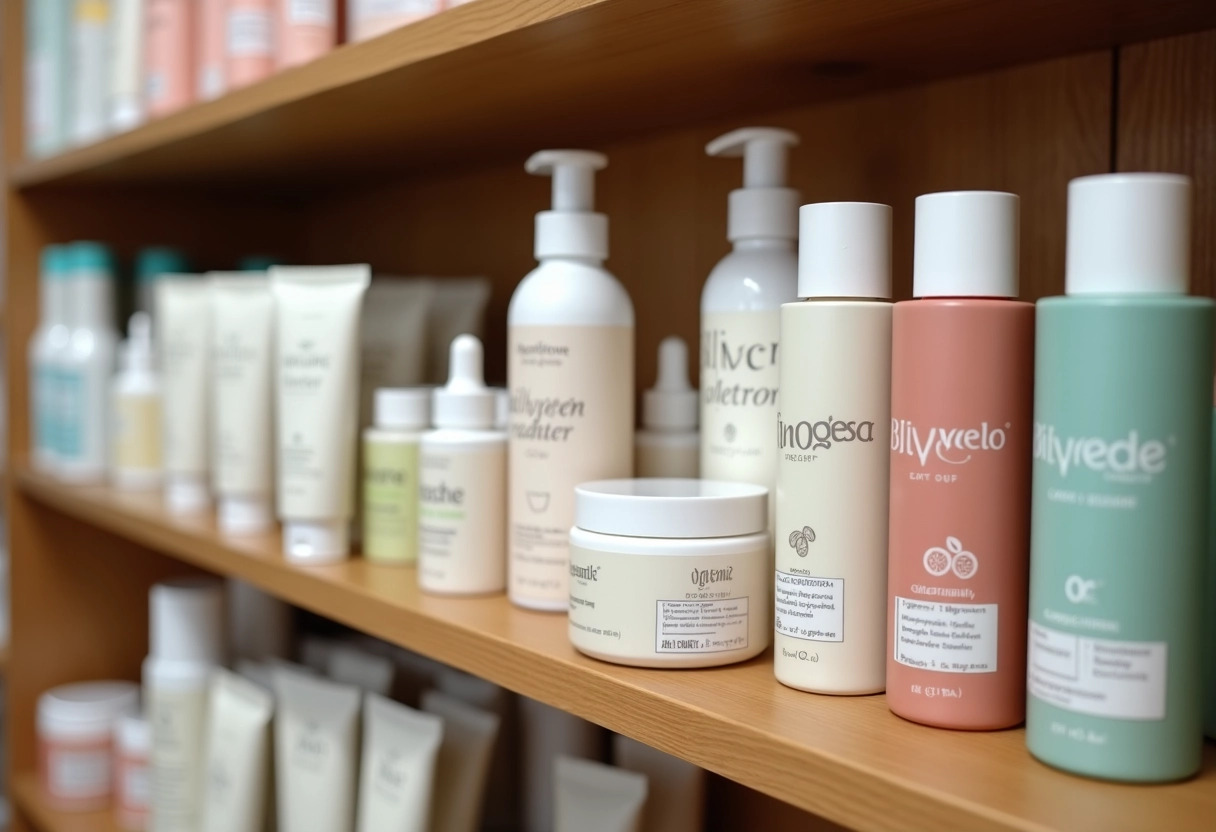
Controversial practices and accusations of greenwashing
The natural cosmetics industry is not immune to greenwashing practices. This practice involves promoting products as “clean” or “natural” while they still contain controversial ingredients. Phenoxyethanol, often used as an alternative to parabens, raises health concerns. Similarly, generic terms like “fragrance” or “perfume” can mask the presence of harmful substances.
Microplastics represent another major issue. Used in products like exfoliants, they end up in the oceans, worsening marine pollution. The Plastic Soup Foundation and the Beat the Microbead initiative work to raise public awareness of these dangers. In 2015, President Barack Obama signed the Microbead-Free Waters Act, banning microbeads in rinse-off products in the United States. In Europe, Cosmetics Europe has called on companies to stop using these particles.
Mobile applications like QuelCosmetic from UFC-Que Choisir, Yuka, CleanBeauty, and Inci Beauty are increasingly used by consumers to analyze product compositions. These tools allow users to decode labels and avoid undesirable substances.
| Application | Main Feature |
|---|---|
| QuelCosmetic | Ingredient analysis |
| Yuka | Product evaluation |
| CleanBeauty | Label decoding |
| Inci Beauty | Comprehensive analysis |
Analyses conducted by researchers like Kim Harley and Brenda Eskenazi from the University of Berkeley reveal the effects of endocrine disruptors present in certain cosmetics. Published in Human Reproduction, their study highlights the dangers of these substances for reproductive health. Consumer vigilance and commitment remain essential in the face of these controversial practices.