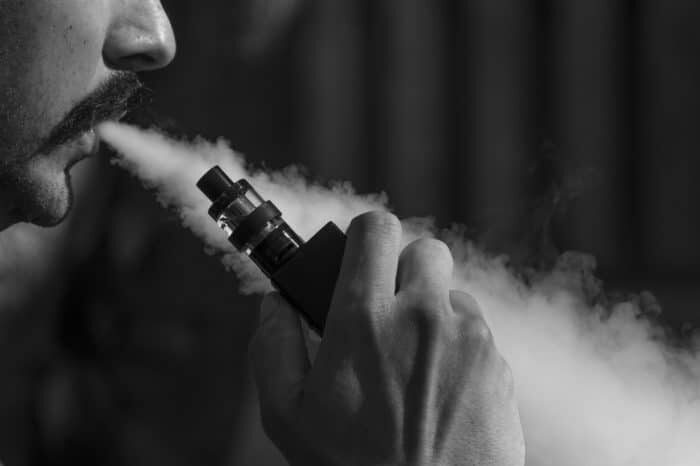
The puff, or disposable electronic cigarette, has quickly won the hearts of young and old alike around the world. Popularized by its ease of use and variety of flavors, it raises many questions about health, addiction, and its social impact.
What is a Puff?
The puff is a disposable vaping device, generally filled with a flavored liquid containing nicotine. Unlike traditional cigarettes, puffs do not require recharging or refilling. They are ready to use right out of the package, making them very attractive, especially for young people looking for a more “cool” and discreet alternative to classic cigarettes.
Puffs come in a multitude of flavors, ranging from exotic fruits to indulgent desserts, including menthol aromas. This variety of choices is one of the main advantages that encourage consumers to try these devices. Additionally, the perception that they are less harmful than traditional cigarettes contributes to their growing success. However, this image can be misleading.
Risks Associated with Puffs
Despite their popularity, puffs are not without risks. Numerous studies suggest that vaping, even in the form of puffs, can have harmful effects on health. The liquids used contain not only nicotine but also other chemicals that, in the long term, could have consequences for the respiratory and cardiovascular systems.
Another major concern is addiction. Nicotine is an addictive substance, and puffs can make users dependent more quickly than one might think. Young people, in particular, are more likely to develop an addiction due to their still-developing brains. The use of puffs could therefore serve as a gateway to traditional cigarette consumption, raising concerns within public health communities.
Regulation and the Future of Puffs
In response to the increasing consumption of puffs, many countries have begun to implement regulations to govern their sale. Some nations even prohibit the sale of these devices to minors, while others impose restrictions on flavors to reduce their appeal to young people.
The future of puffs remains uncertain. If their popularity continues to grow, it is likely that governments will seek to establish stricter measures to protect public health. Meanwhile, the vaping industry may need to rethink its marketing strategies to address growing concerns about health and safety.