Video capture has profoundly transformed the media landscape in France, offering new perspectives for journalists and information consumers. Events can now be reported in real-time, allowing for immediate immersion in the news and making information more accessible and dynamic.
Social media platforms have amplified this revolution, enabling anyone to become a content creator and share videos instantly. Video reports, documentaries, and web series have gained popularity, enriching the diversity of formats and reaching a wider audience. Traditional news channels are adapting, integrating both amateur and professional videos to remain relevant.
The beginnings of video capture and its initial impact on French media
The early days of video capture marked a significant transition for traditional TV. Centered on so-called linear broadcasting, it had to quickly adapt to the emergence of more flexible and personalized formats offered by Video on Demand (VOD). This change not only increased content diversity but also altered the way viewers consume information.
According to a study by Médiamétrie, 67% of French video viewing time was devoted to linear television in 2023. This figure illustrates the enduring importance of traditional TV, despite the rise of new VOD platforms. Video capture has allowed services like France VidCaps to establish themselves and redefine French audiovisual habits.
During the 2023 Rugby World Cup, TF1 set a viewership record with 16.5 million spectators, peaking at 18.4 million during the elimination of the Blues against South Africa. Michel Pousseau, the tournament director, highlighted the impact of video capture in the media coverage of this event, allowing for instant broadcasting of key moments and increased interaction with the audience.
The transition from traditional TV to VOD has transformed the French media landscape, making information more accessible and diverse. Video capture services, such as France VidCaps, have played a fundamental role in this evolution by offering content tailored to the new expectations of viewers.
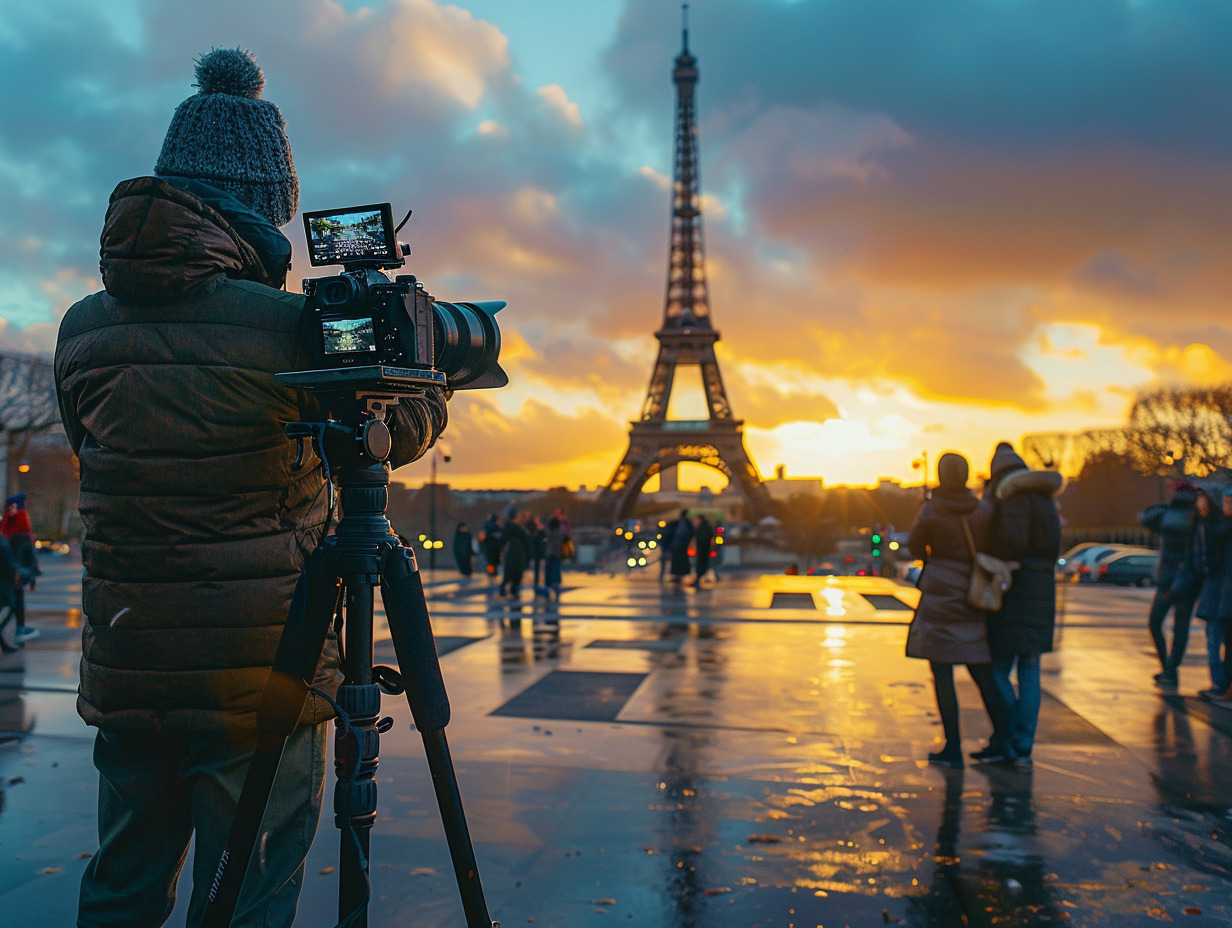
Current and future transformations of the media landscape through video capture
Platforms like SVOD such as Netflix, Amazon Prime Video, and Disney+ have profoundly transformed media consumption in France. The accessibility and personalization of content have redefined viewer expectations. At the same time, AVOD services like YouTube and Peacock offer an advertising-based alternative, expanding options for consumers.
ARCOM revealed that 45% of French households owned a Smart TV in 2022, further facilitating access to streaming services. 5G and 4G also play a fundamental role in improving the quality and speed of video streaming, making content accessible anywhere and anytime.
- Xavier Niel, founder of the telecom group Iliad, recently acquired Nice Matin, illustrating the growing interest of telecom players in traditional media.
- Jean-Michel Baylet, president of La Dépêche and APIG, continues to influence the media landscape through his multiple roles.
- François Pinault and Bernard Arnault, through their groups Artémis and LVMH, control several influential press titles such as Le Point, Les Echos, and Le Parisien.
The ongoing transformations are accompanied by new technologies such as artificial intelligence and virtual reality, which promise to further revolutionize the production and consumption of audiovisual content. Data from Statista shows a continuous increase in the use of VOD and AVOD platforms, confirming this lasting trend.
The collaboration between Acrimed and Le Monde diplomatique, as well as positive developments for sites like L’Équipe, demonstrate that the French audiovisual sector is undergoing significant changes. The digitalization strategies adopted by groups like Les Echos and L’Équipe serve as a model for other media entities looking to adapt to this new era.