Renault Clio drivers are well acquainted with the dashboard, a true communication interface between the car and its user. The warning lights, whether common or unexpected, play a fundamental role in the safety and maintenance of the vehicle. A low fuel light or a tire pressure alert are familiar signals for most, but what should you do when faced with an unknown light? Knowing how to interpret these messages can prevent costly breakdowns and dangerous situations, ensuring a smoother and surprise-free driving experience.
Meaning of Common Warning Lights on the Dashboard of a Renault Clio
Renault Clio 2 has several warning lights on its dashboard to indicate different problems or alerts. Each light has a specific meaning and requires immediate action or further checking. Here’s an overview of the most common signals:
- Battery Light: Indicates a problem in the vehicle’s charging system. This could be due to a weak battery, a faulty alternator, or a broken drive belt.
- Engine Oil Light: Signals a problem in the engine’s lubrication system. This can lead to serious damage if ignored. Check the oil level and top up if necessary.
- Coolant Temperature Light: Alerts to engine overheating or a cooling issue. Stop the vehicle immediately to avoid engine damage.
- Braking and ABS Light: Indicates a problem with the braking system or ABS. Have your brakes checked by a professional as soon as possible.
- Airbag Light: Signals a malfunction in the airbag system. The safety of passengers may be compromised.
- STOP Alert Lights: Alerts to a vehicle system issue and requires immediate stopping. Do not continue driving.
- Tire Pressure Light: Indicates insufficient pressure in one or more tires. Check and adjust tire pressure.
- Anti-pollution System Light: Warns of a CO₂ emission problem. A check of the anti-pollution system is necessary.
- Fuel Alert Light: Indicates a low fuel level. Refuel as soon as possible.
- Seatbelt and Door Lights: Alerts that seatbelts are not fastened or doors are not properly closed. Ensure all seatbelts are fastened and doors are securely closed.
- Service Light: Reminds that it’s time to service and maintain the vehicle. Adhere to maintenance deadlines to avoid breakdowns.
Clio 3 Water Drop Light: This specific light indicates an engine oil problem specific to certain versions of the Clio 3. A quick check is essential to avoid engine damage.
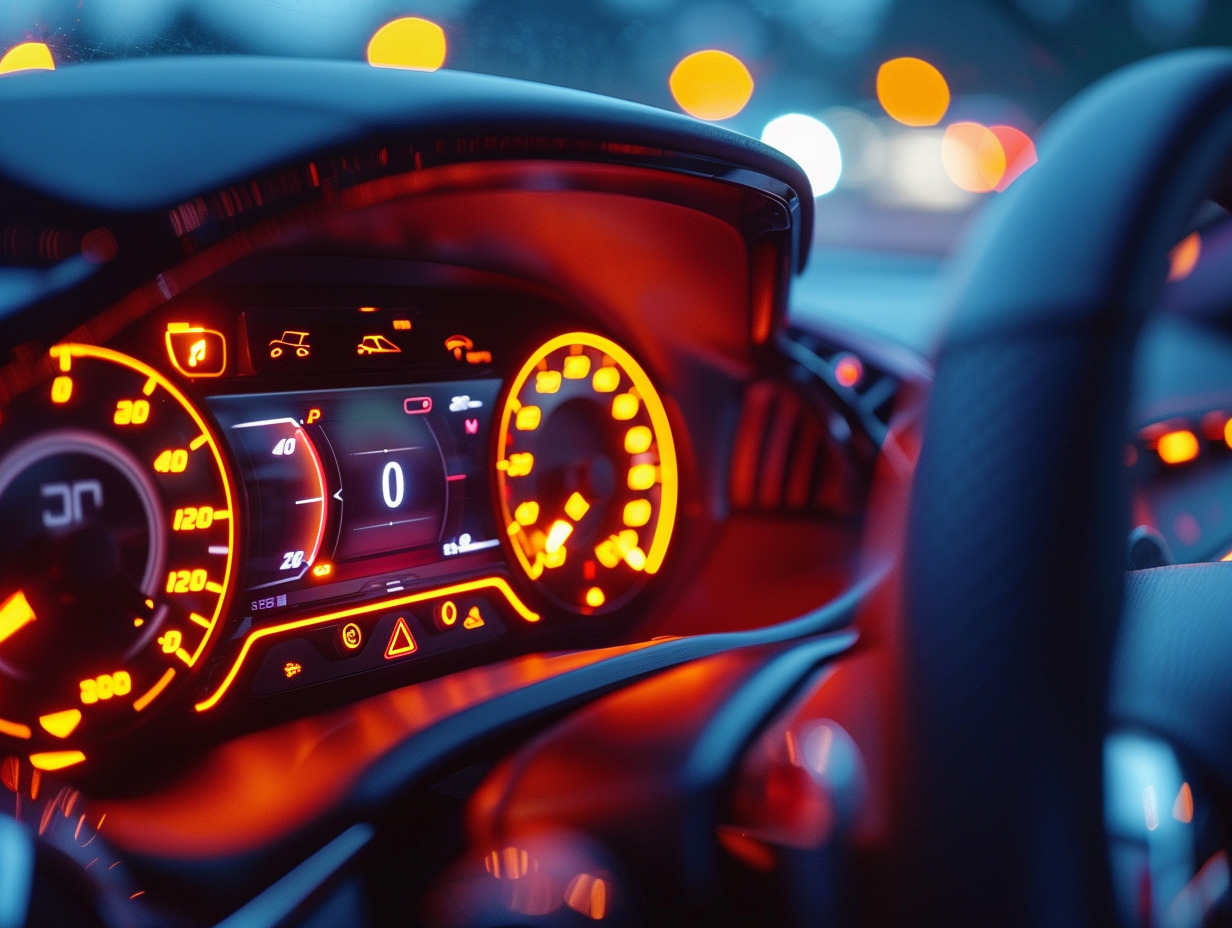
Interpreting Unexpected Warning Lights and Recommended Actions
Unexpected warning lights on your Renault Clio’s dashboard can raise questions. Here are some examples and the actions to take:
Battery Light: If the light comes on unexpectedly, check the battery, alternator, and drive belt. These components are crucial for the vehicle’s charging system. A failure can lead to a total vehicle breakdown.
Engine Oil Light: An unexpected alert may indicate a leak or excessive consumption of engine oil. Check the oil level immediately and look for signs of leakage under the vehicle.
Coolant Temperature Light: A lit light may signal a problem with the coolant. Check the coolant level and ensure there are no leaks. Overheating can severely damage the engine.
Braking and ABS Light: If this light comes on for no apparent reason, it may indicate a problem with the brakes or the ABS system. Inspect the brake fluid level and consult a professional if necessary.
Airbag Light: A lit light indicates a malfunction in the airbag system. This can compromise passenger safety in the event of an accident. Schedule an appointment with a qualified mechanic.
Tire Pressure Light: If this light comes on, check the tire pressure and adjust it if necessary. Incorrect pressure can affect the vehicle’s handling and safety.
Anti-pollution System Light: The illumination of this light may indicate a problem with the anti-pollution system. A thorough check by a professional is recommended to avoid fines for non-compliance with emission standards.
Fuel Alert Light: This light signals a low fuel level. Refuel as soon as possible to avoid running out of gas.
Seatbelt and Door Lights: These lights indicate that the seatbelts are not fastened or that the doors are not properly closed. Ensure all seatbelts are fastened and doors are securely closed before driving.
Service Light: This light reminds that it’s time for a complete service of the vehicle. Adhere to maintenance deadlines to avoid costly breakdowns.