
A streaming site that changes its URL every few months poses more than just a comfort problem: each new address alters the security perimeter to which the user is exposed. With the changes announced for 2026, the platform 1jour1film is adopting a different operation from that observed in previous years, both technically and in terms of the risks faced by visitors.
DNS Blocking and Domain Rotation: The Mechanism Behind 1jour1film’s Address Changes
The basic principle is the DNS blocking ordered by court decision. When a French court orders the blocking of a domain name, Internet service providers add this domain to a blacklist at their DNS servers. The user’s browser can no longer resolve the address, and the page displays an error or a blocking notification.
The classic response from unauthorized streaming platforms is to register a new domain name, sometimes in an uncommon extension (.site, .homes, .top). This new domain points to the same technical infrastructure, the same servers, and the same catalog of films and series.
In 2025-2026, rights holders are more regularly obtaining measures targeting not only the main domain but also mirror domains and associated redirects. This tightening shortens the lifespan of each address, which explains why users searching for the new address of the 1jour1film site notice changes more frequently than before.

Clones and Phishing: The Real Danger of an Unverified 1jour1film Address
The permanent URL change has created a secondary problem that has become central: the proliferation of fake sites that mimic the 1jour1film interface. These clones replicate the logo, layout, and sometimes the apparent catalog of the platform, but their objectives are different.
Some serve as phishing pages aimed at collecting credentials or banking information. Others inject malvertising, meaning deceptive ads that trigger the download of malware without any voluntary action from the user.
The difficulty for a visitor lies in the absence of a stable reference point. When a legitimate site changes its address, it communicates through its official channels. An unauthorized streaming site lacks this foundation: no reliable historical domain name, no recognized authenticity certificate, no verifiable presence on app stores.
Warning Signs of a Suspicious Domain
- The HTTPS certificate is absent or issued less than a few days ago, indicating a domain registered very recently without a trust history
- Pop-up windows request the installation of a plugin, a browser extension, or a third-party video player before any movie playback
- The address contains unusual variations of the name (addition of random numbers, multiple hyphens, chained exotic extensions)
Distinguishing the authentic domain from an imitation has become more difficult than finding the address itself. Forums, Telegram groups, and Reddit threads that relay these URLs do not systematically verify the legitimacy of the shared link.
HTTPS and Secure Address: What It Means for Streaming
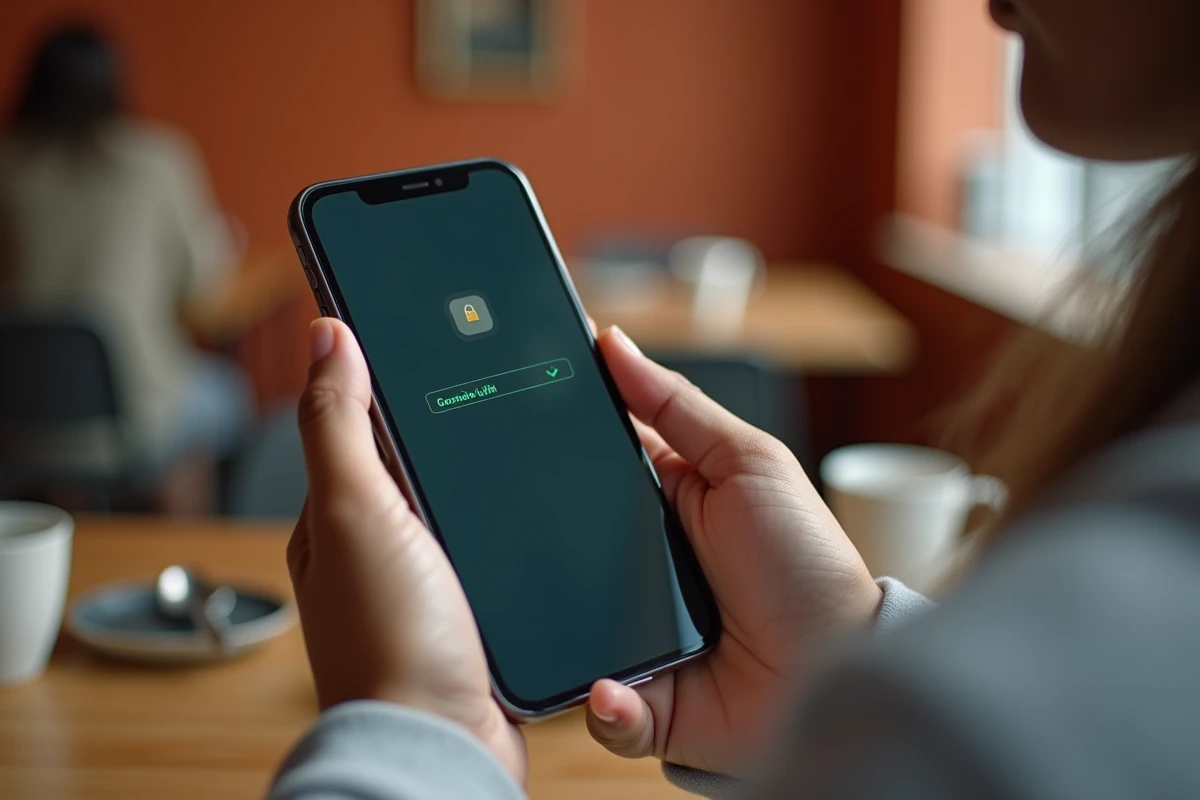
The term “secure address” often appears in searches related to 1jour1film. It refers to the presence of the HTTPS protocol, represented by the lock icon in the browser’s address bar. HTTPS encrypts the data exchanged between the browser and the server, preventing a third party (ISP, public Wi-Fi operator) from reading the content of the connection.
This layer of encryption protects the privacy of browsing, but it does not guarantee the legality or reliability of the site visited. A phishing site can perfectly have a free HTTPS certificate obtained in a few minutes. The lock confirms that the connection is encrypted, not that the recipient is trustworthy.
For a streaming site like 1jour1film, the systematic switch to HTTPS limits the interception of data by network intermediaries. However, it does not protect against malicious scripts hosted directly on the site or in its advertising networks.
Legal and Free Streaming Platforms: Accessible Catalogs in 2026
The search for a new address for an unauthorized site often reflects a simple need: to access films and series without a paid subscription. Several legal platforms offer a free catalog funded by advertising.
- Pluto TV streams thematic channels continuously with a catalog of films accessible without registration or payment
- Arte.tv offers documentaries, art films, and European series for free access, with a regular rotation of available titles
- Molotov provides access to TNT channels live and on replay, including films broadcast on free French channels
These services do not cover the same volume of new releases as a platform like Netflix or Prime Video. Their catalog focuses on older films, independent productions, or niche content. For recent releases in HD quality, subscription offers remain the most direct route.
Security and Video Quality Compared
On a legal platform, the video stream is optimally encoded, with adaptive resolutions based on bandwidth. Unauthorized sites use third-party hosts whose quality varies greatly and whose players sometimes embed aggressive advertising trackers.
A more limited legal catalog offers risk-free navigation for personal data. Authorized platforms comply with GDPR, do not require the installation of a VPN to bypass a block, and do not expose the user to prosecution for copyright infringement.
The accelerated rotation of 1jour1film’s domains in 2026 confirms an underlying trend: each new address lasts less long, attracts more dangerous clones, and forces the user to repeat an increasingly uncertain verification process. Free and legal alternatives, even with a limited catalog, eliminate this ongoing search loop.