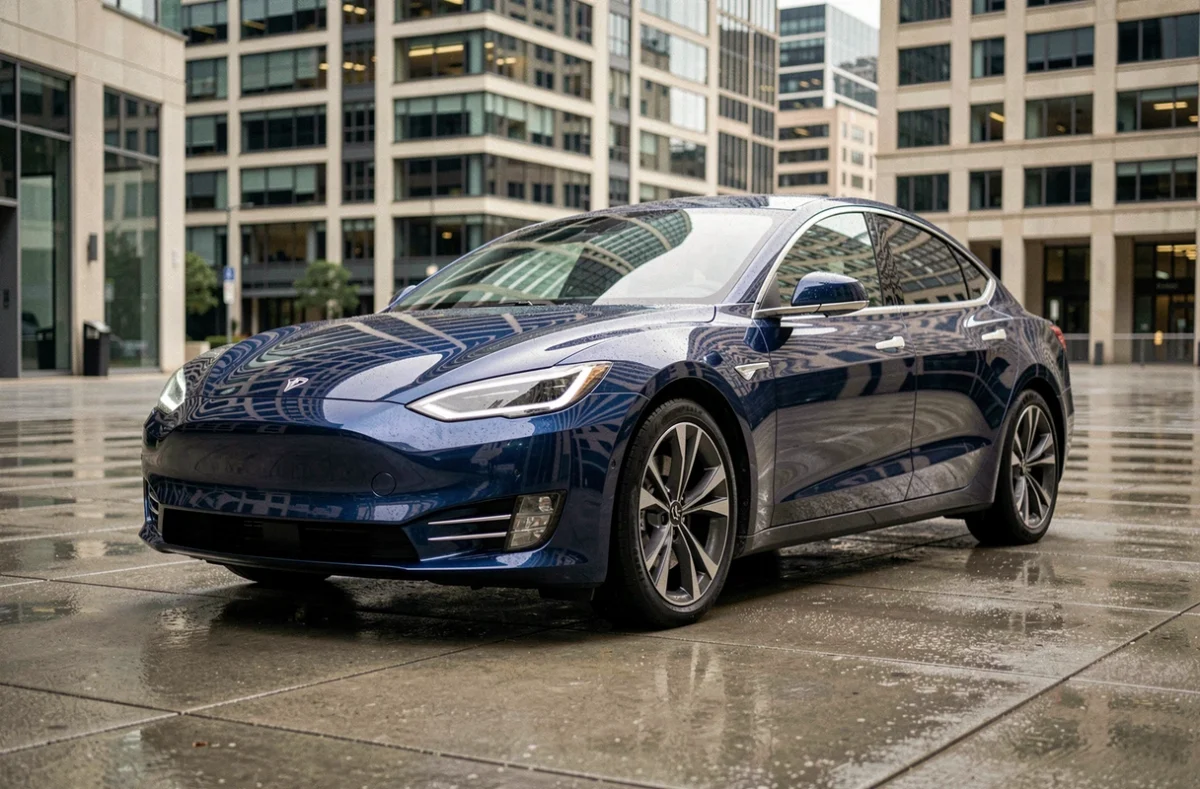
The European automotive market is undergoing a rapid restructuring. The market share of electric drivetrains is increasing quarter after quarter, the used electric vehicle segment is taking off, and the depreciation of battery vehicles is redefining ownership cost calculations. Three structural axes help to understand what is changing concretely for buyers in 2026.
Depreciation of used electric cars: an underestimated financial risk
Before discussing sales growth, one mechanism weighs heavily on the wallets of electric vehicle owners: the loss of value at resale. A Leboncoin study on ten widely circulated electric models reveals an average depreciation of 59% over five years, compared to about 44% for a thermal equivalent.
Some models even exceed a 65% loss of value after five years. This phenomenon can be explained by several combined factors: the rapid evolution of battery technologies makes older models less attractive, purchase incentives for new vehicles drive secondary market prices down, and the real range of early electric vehicles remains below current standards.
To track these developments and find detailed analyses, the auto content on Starlight Infos regularly covers valuation and ownership cost issues.
This depreciation creates an interesting paradox. It penalizes early buyers, but it makes used electric vehicles significantly more accessible for profiles that were hesitant to make the leap.

Used electric vehicle market in France: the shift from thermal
The used electric segment is not just growing: it is changing in nature. According to Avere-France and Mobilians barometers, sales of used electric vehicles have doubled between 2023 and 2025, with a 30% increase between 2024 and 2025. This dynamic occurs while the overall used market is slightly declining.
The most revealing figure concerns the profile of buyers. 76% of used electric car buyers come from thermal vehicles. They are not long-time converts renewing their vehicle, but motorists making the switch to electric for the first time through used options.
What this transfer changes for the market
This migration alters demand in several ways. Buyers coming from thermal vehicles are looking for ranges compatible with their daily commutes, not maximum performance. They compare the total cost of ownership (insurance, maintenance, energy) rather than just the purchase price.
- Versatile models with a real range exceeding 250 km account for the majority of transactions in the used electric market
- Entry-level electric city cars (Renault Zoe, Dacia Spring, Peugeot e-208) see their used prices drop significantly, accelerating their turnover
- Compact electric SUVs remain rarer in the secondary market, which maintains their relative value
The direct consequence: the used market becomes the primary point of contact with electric vehicles for the majority of new users, a reversal from the 2020-2023 period when only new vehicles drove growth.
Market share of electric vehicles in Europe: beyond the 20% threshold
In the new vehicle market, registrations of battery electric vehicles have reached a milestone in Europe. ICCT data and figures reported by several industry sources confirm that the market share of 100% electric cars now exceeds 20% in the first half of 2026.
This progress is not uniform. Some Nordic countries show significantly higher rates, while markets like Italy and Spain lag behind. France is positioned in an intermediate place, with steady growth still driven by tax incentives.
The price gap between electric and thermal is narrowing
An often underestimated acceleration factor: the price gap at purchase between electric and thermal is narrowing each year. The acquisition cost of a new electric vehicle is gradually approaching that of a comparable thermal model in Europe.
This narrowing results from two simultaneous movements. The cost of batteries is decreasing with the industrialization of production lines, while thermal drivetrains are seeing their prices rise due to stricter emission standards and increased ecological penalties.
Chinese manufacturers in Europe: beyond curiosity
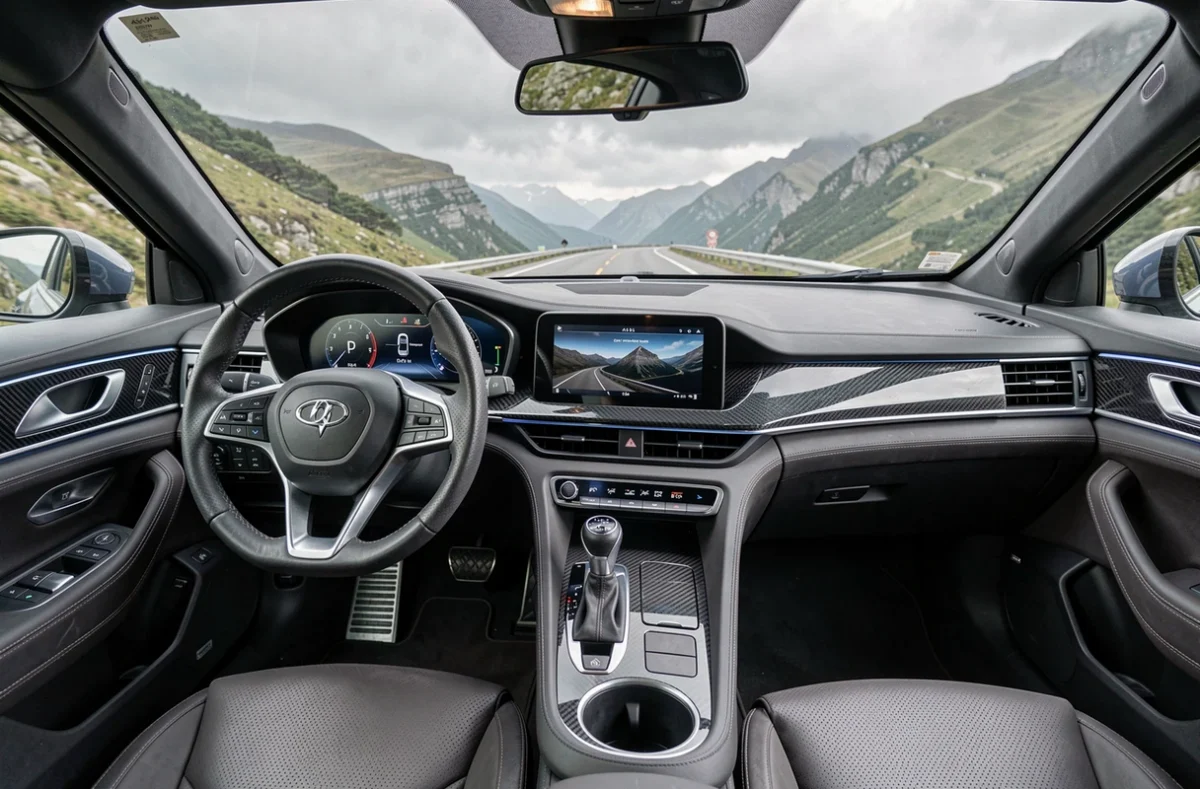
Chinese brands now occupy a visible place in monthly European registrations. MG, BYD, Xpeng, and Jaecoo regularly appear alongside established manufacturers like Renault, Volkswagen, or Hyundai. Geely is also preparing to enter the French market.
The stakes are no longer limited to the quality-price ratio. These manufacturers are investing in physical distribution networks, offering warranties aligned with European standards, and developing local partnerships for after-sales service.
- MG benefits from its association with the SAIC group and already has a network of several hundred points of sale in Europe
- BYD focuses on vertical integration (batteries, motors, electronics) that allows it to control its production costs
- Xpeng positions itself in the segment of vehicles equipped with advanced semi-autonomous driving functions
The Chinese presence accelerates competitive pressure on prices, benefiting buyers but complicating profitability for European manufacturers. Volkswagen, for example, anticipates a collapse in its operating margin for 2026, with a target that should not exceed 1%, partly due to this intensified competition and a faster-than-expected electric transition.
The question for French buyers is no longer whether these brands are reliable, but which one fits their usage and budget.